Internet of Things (IoT) and edge computing are among the hottest buzzwords today. And although they don’t necessarily go hand-in-hand, pairing IoT with edge computing is one common strategy for getting the most value out of both categories of technology.
IoT is any network of non-traditional devices
that are connected to the Internet in some way. “Non-traditional devices” in
this context means devices like sensors, medical devices, and smart-home
systems, as opposed to traditional devices such as PCs and servers.
The history of the IoT stretches back decades. But it has only been within the past several years — or the last decade, perhaps — that the IoT has finally matured and proven its readiness for large-scale real-world use.
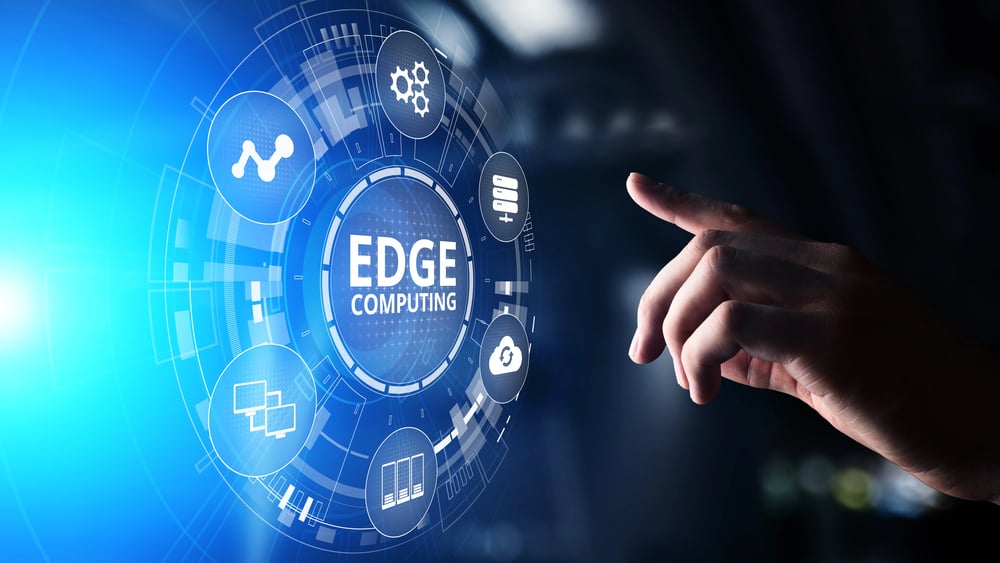
Edge computing is a type of computing
architecture in which data and processing take place as close as possible to
end-users. It’s the opposite of a conventional cloud computing architecture
wherein data and processing are centralized in cloud data centers.
The big idea behind edge computing is that
when workloads are hosted closer to users, network latency and reliability
decrease, leading to a better end-user experience.

IoT and edge computing dependencies
You don’t need IoT devices to build an edge
computing architecture. You can host edge applications on any type of
infrastructure, provided it is located closer to end-users than central data
centers.
Thus, a conventional server deployed in a
retail store that can handle payments faster than a remote data center could be
an example of edge architecture. Even PCs that handle data storage or processing
that would otherwise take place in the cloud could be considered a form of edge
architecture.
You also don’t need an edge architecture to
use the IoT. You can deploy IoT devices and manage them from traditional data
centers located at the network’s center.
IoT devices at the edge
All of this said, IoT devices are one
excellent way to build the infrastructure required to create an edge computing
environment.
In other words, by deploying IoT devices and
using them to handle data storage or processing, organizations can construct an
edge architecture.
This approach is especially advantageous in
situations where the IoT devices collect large amounts of data, and waiting for
that data to be transferred to a data center, processed, and sent back would
take too long to achieve performance goals. Running workloads directly on IoT
devices can also decrease security risks by minimizing the amount of data that
travels across the network.
The major challenge to using IoT devices as
the basis for an edge architecture is that IoT devices aren’t always capable of
heavy-duty data storage and processing. If your devices are lightweight sensors
with minimal storage and CPU capacity, they may not be capable of meeting your
workload performance requirements.
Conclusion
The relationship between IoT and edge boils down to this: IoT infrastructure is one possible way to build an edge computing environment. Increasingly, industry consensus is to position IoT as one of the many use cases of edge computing.

 Best Practices for Deploying and Scaling Industrial AIArtificial Intelligence (AI) is transforming industrial operations, helping organizations optimize workflows, reduce downtime, and enhance productivity. Different industry verticals leverage AI in unique ways.Link to The Center for Adaptive Edge Intelligence
 The Center for Adaptive Edge IntelligenceAdaptive edge intelligence brings real-time decision-making to the point of data creation, whether from sensors, machines, or cameras.Link to The Value of Vehicle Electrification
 The Value of Vehicle ElectrificationElectric vehicles (EVs) present automakers with many design, engineering, and manufactu ring challenges.Link to Accelerating Manufacturing Digital Transformation with Industrial Connectivity and IoT
 Accelerating Manufacturing Digital Transformation with Industrial Connectivity and IoTDigital transformation is empowering industrial organizations to deliver sustainable innovation, disruption-proof products and services, and continuous operational improvement.Link to Smart Manufacturing for Automotive
 Smart Manufacturing for AutomotiveLeading a transportation revolution in autonomous, electric, shared mobility and connectivity with the next generation of design and development tools.Link to Center for Data Pipeline Automation
 Center for Data Pipeline AutomationAs businesses become data-driven and rely more heavily on analytics to operate, getting high-quality, trusted data to the right data user at the right time is essential.Link to Center for Automated Integration
 Center for Automated IntegrationThe goal of automated integration is to enable applications and systems that were built separately to easily share data and work together, resulting in new capabilities and efficiencies that cut costs, uncover insights, and much more.Link to Continuous Intelligence: Insights
 Continuous Intelligence: InsightsDigital transformation requires continuous intelligence (CI). Today’s digital businesses are leveraging this new category of software which includes real-time analytics and insights from a single, cloud-native platform across multiple use cases to speed decision-making, and drive world-class customer experiences.