Data is constantly being collected every second of the day in every corner of the world. AI and analytics help turn big data into insights, and the oil and gas industry is catching up to the trend.
In order to have full visibility into operations, the oil and gas industry is now dependent on 24/7 data communication. In addition to that, a study by MIT found that only 0.5% of all data is ever analyzed. While the amount of data generated by oil and gas platforms could be overwhelming, this surge presents new opportunities for energy leaders to modernize their IT infrastructure.
Edge computing solutions have become essential for oil and gas companies that are working to decarbonize both operations and value chains as the industry navigates an energy transition.
This energy transition is slowly moving oil and gas companies into the power generation and distribution space, with big and promising projects such as carbon capture and storage and green hydrogen.
In order to utilize the valuable data that companies are accruing upstream, midstream, or downstream, oil and gas operators must shift their operations to the edge to reduce latency, reduce data storage, lower transmission costs, and increase efficiency. The remote location of operations coupled with harsh operating environment and a massive volume of generated data make the oil and gas industry ideal for the use of micro data centers for edge computing.
See also: Oil and Gas Cloud Applications Exploding by 2026
Operations transitioning from the cloud to the edge
Edge computing is a valuable solution as it alleviates bandwidth within the central network by storing data at the edge of the IT infrastructure. Rather than offloading to cloud data centers, edge computing enables data processing with minimal to no latency, making it highly optimized for resource efficiency.
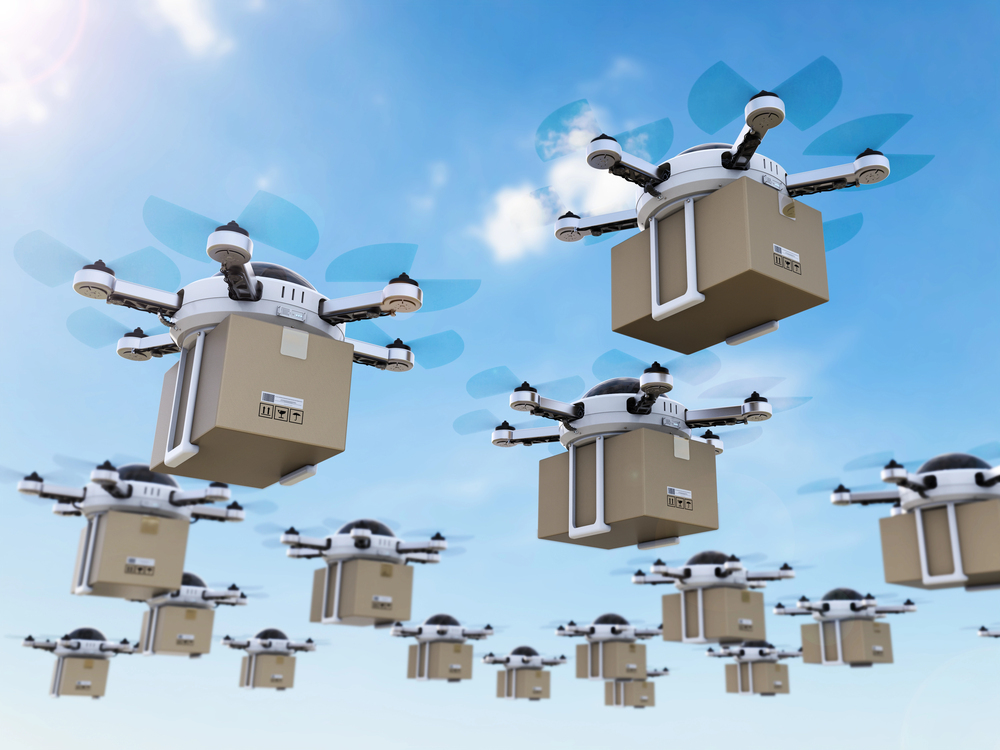
Shifting operations to the edge serves as a key enabler of a digital-first paradigm. This approach allows organizations to not only monitor an operational network but store and process operational data locally as well. In addition to increasing data efficiency and resilience, edge computing is also being used to optimize new technologies within the oil and gas industry, such as drone-based inspection of power lines and pipelines, which enables data-driven decision-making to take measures that ultimately reduce operational costs.
Cost reduction of IT infrastructure
Reducing operational costs has become a top priority for the oil and gas industry as it continues to face hurdles involving geopolitical conditions and volatile commodity prices. By integrating edge solutions, the processing of data is brought closer to where the data is inevitably produced, such as on the drilling platform or in the field. Edge computing ensures cost savings by lowering the network bandwidth and reducing data center costs.
Unplanned shutdowns are yet another challenge that companies are faced with. According to an MIT Sloan Study, a single day of downtime for a liquefied natural gas (LNG) facility can cost $25 million, with a typical midsize LNG facility decreasing about five times a year. However, edge computing can prevent these unplanned and costly shutdowns by reducing the processing burden on central IT infrastructure by distributing it over multiple processing centers.
Factors to take into consideration with new industrial edge computing solutions
The advantages of edge computing haven’t gone unnoticed, which is why we are seeing an increase in deployments across industries. However, the decision to shift operations to the edge requires a few considerations before moving forward. In the early stages of edge planning, companies must include resilient power and connectivity resources to help reduce the risk of downtime.
It is critical for edge computing sites to be designed with resilience. Such factors to guarantee resiliency include environmental separation from risks like water or fire, cooling infrastructure to control temperature and humidity, and a reliable power source like a UPS to ensure backup power to the equipment.
Additionally, the monitoring and maintenance of edge infrastructure assets must be prioritized to ensure business continuity. Edge resources should be equipped to support autonomous operation and continuous remote monitoring. This requires O&G companies to commit personnel or outsource the monitoring and proactive maintenance services to identify and correct certain issues before they occur.
Ultimately, edge computing provides energy leaders with unmatched improvements in operational responsiveness and efficiency and therefore increases profitability. Energy companies that take advantage of all that edge computing solutions have to offer will see increased sustainability, more efficient performance, and an increase in profitability while simultaneously empowering employees through connected technologies and capabilities.

 Best Practices for Deploying and Scaling Industrial AIArtificial Intelligence (AI) is transforming industrial operations, helping organizations optimize workflows, reduce downtime, and enhance productivity. Different industry verticals leverage AI in unique ways.Link to The Center for Adaptive Edge Intelligence
 The Center for Adaptive Edge IntelligenceAdaptive edge intelligence brings real-time decision-making to the point of data creation, whether from sensors, machines, or cameras.Link to The Value of Vehicle Electrification
 The Value of Vehicle ElectrificationElectric vehicles (EVs) present automakers with many design, engineering, and manufactu ring challenges.Link to Accelerating Manufacturing Digital Transformation with Industrial Connectivity and IoT
 Accelerating Manufacturing Digital Transformation with Industrial Connectivity and IoTDigital transformation is empowering industrial organizations to deliver sustainable innovation, disruption-proof products and services, and continuous operational improvement.Link to Smart Manufacturing for Automotive
 Smart Manufacturing for AutomotiveLeading a transportation revolution in autonomous, electric, shared mobility and connectivity with the next generation of design and development tools.Link to Center for Data Pipeline Automation
 Center for Data Pipeline AutomationAs businesses become data-driven and rely more heavily on analytics to operate, getting high-quality, trusted data to the right data user at the right time is essential.Link to Center for Automated Integration
 Center for Automated IntegrationThe goal of automated integration is to enable applications and systems that were built separately to easily share data and work together, resulting in new capabilities and efficiencies that cut costs, uncover insights, and much more.Link to Continuous Intelligence: Insights
 Continuous Intelligence: InsightsDigital transformation requires continuous intelligence (CI). Today’s digital businesses are leveraging this new category of software which includes real-time analytics and insights from a single, cloud-native platform across multiple use cases to speed decision-making, and drive world-class customer experiences.