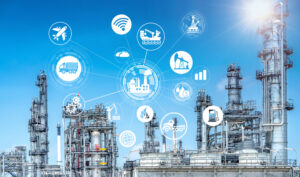
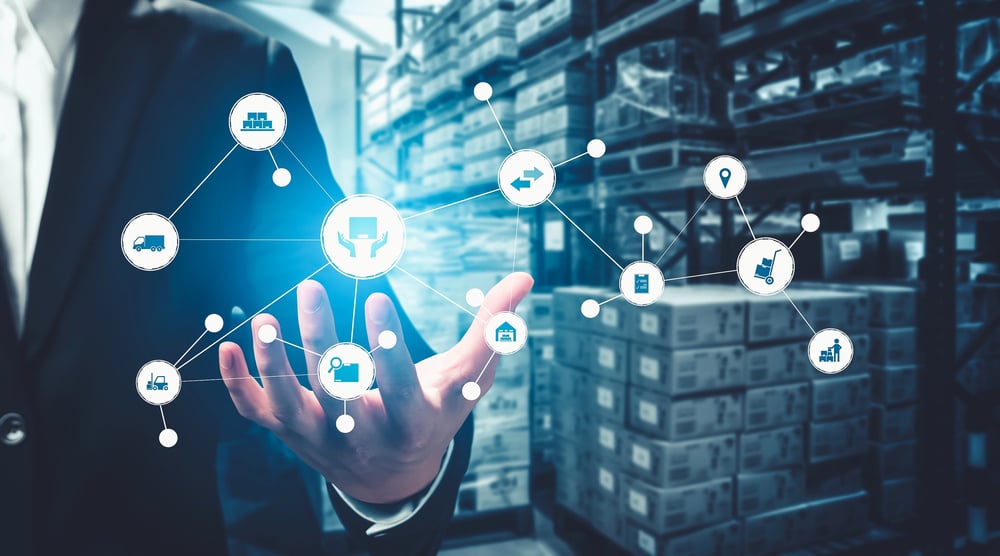
The integration of Information Technology (IT) and Operational Technology (OT) is reshaping the industrial manufacturing landscape, offering opportunities to improve efficiency, innovation, and competitiveness.
Traditionally, IT and OT have operated in silos—IT focusing on data-centric enterprise operations and OT managing physical processes on the factory floor. The convergence of these domains facilitates seamless data exchange, real-time analytics, and integrated control systems, leading to enhanced operational efficiency and informed decision-making. This integration is not merely a technological upgrade but a strategic necessity for manufacturers striving to maintain a competitive edge in the digital age.
Key Themes Driving IT/OT Convergence
The recent “IT/OT Convergence Insights Report 2024” by IoT Analytics, a global provider of market insights and strategic business intelligence, highlighted some common themes that collectively define the future of industrial integration. Understanding and leveraging these themes is crucial for executives aiming to navigate and lead in this transformative era.
In particular, the report found that the themes fit into three primary areas that are frequently found in industrial operations. They include:
IT Integration into OT: This involves embedding IT capabilities within OT environments, such as implementing advanced analytics, cloud computing, and cybersecurity measures tailored for industrial systems. For instance, adopting open systems over proprietary ones allows for greater flexibility and interoperability, enabling manufacturers to respond swiftly to market changes and technological advancements.
IT and OT Integration: This focuses on harmonizing IT and OT systems to function cohesively. Standardizing communication protocols and data formats ensures that information flows seamlessly between enterprise management and production operations, fostering a unified and responsive manufacturing ecosystem. This alignment is pivotal for scaling digital transformation initiatives and unlocking the full potential of Industry 4.0 technologies.
OT Hardware Becoming IT-Like: This is a relatively new category. It comes about as OT system providers have modernized their offerings, giving them enhanced connectivity and data processing capabilities. In this way, the OT devices and systems, in a sense, have characteristics typical of IT systems. Such modern OT systems and devices enable real-time monitoring and control, predictive maintenance, and more.
See also: Revealing the Hidden Plant Through IoT
IT/OT Integration Benefits
Embracing IT/OT convergence requires a strategic approach that encompasses technological, organizational, and cultural dimensions. Organizations that do this will reap benefits across a broad range of operational areas. Some of the main benefits include:
Enhanced Operational Efficiency
- Streamlined Processes: Integrated systems enable real-time data sharing and automation, reducing downtime, errors, and redundancies.
- Predictive Maintenance: Continuous monitoring and analytics help predict equipment failures, minimizing unplanned downtime and maintenance costs.
- Resource Optimization: Improved visibility into operations allows for better resource allocation, energy efficiency, and waste reduction.
Improved Decision-Making
- Data-Driven Insights: Unified data from IT and OT systems provide actionable insights for better strategic and operational decisions.
- Real-Time Analytics: Advanced analytics tools enable faster responses to production anomalies, improving agility and problem resolution.
- Holistic Visibility: Cross-functional dashboards offer a single source of truth for stakeholders, fostering transparency and accountability.
Increased Agility and Innovation
- Faster Adaptation: Integrated systems allow manufacturers to respond quickly to market demands, such as product customizations and smaller production batches.
- Innovation Enablement: IT/OT integration supports technologies like digital twins, robotics, and AI, driving innovation and creating smarter factories.
- Scalable Operations: Cloud computing and modular systems make it easier to scale operations up or down based on demand.
Cost Savings
- Reduced Downtime: Predictive maintenance and proactive issue resolution decrease operational disruptions.
- Optimized Supply Chains: Integration improves logistics and inventory management, reducing waste and carrying costs.
- Energy Efficiency: Advanced monitoring systems identify inefficiencies, reducing energy consumption and costs.
- Customer Satisfaction: Improved product quality, delivery times, and responsiveness lead to higher customer satisfaction and loyalty.
By leveraging these benefits, industrial manufacturing organizations can position themselves as leaders in their field, fostering innovation, operational excellence, and long-term sustainability.
A Final Word on the Future of IT/OT Integration
The convergence of IT and OT is a pivotal driver of the Fourth Industrial Revolution, offering industrial manufacturers a pathway to enhanced efficiency, innovation, and competitiveness. By embracing IT/OT integration, organizations can lead their organizations toward a future where integrated systems and data-driven decision-making are the norm, positioning themselves as leaders in the evolving industrial landscape.

 Best Practices for Deploying and Scaling Industrial AIArtificial Intelligence (AI) is transforming industrial operations, helping organizations optimize workflows, reduce downtime, and enhance productivity. Different industry verticals leverage AI in unique ways.Link to The Center for Adaptive Edge Intelligence
 The Center for Adaptive Edge IntelligenceAdaptive edge intelligence brings real-time decision-making to the point of data creation, whether from sensors, machines, or cameras.Link to The Value of Vehicle Electrification
 The Value of Vehicle ElectrificationElectric vehicles (EVs) present automakers with many design, engineering, and manufactu ring challenges.Link to Accelerating Manufacturing Digital Transformation with Industrial Connectivity and IoT
 Accelerating Manufacturing Digital Transformation with Industrial Connectivity and IoTDigital transformation is empowering industrial organizations to deliver sustainable innovation, disruption-proof products and services, and continuous operational improvement.Link to Smart Manufacturing for Automotive
 Smart Manufacturing for AutomotiveLeading a transportation revolution in autonomous, electric, shared mobility and connectivity with the next generation of design and development tools.Link to Center for Data Pipeline Automation
 Center for Data Pipeline AutomationAs businesses become data-driven and rely more heavily on analytics to operate, getting high-quality, trusted data to the right data user at the right time is essential.Link to Center for Automated Integration
 Center for Automated IntegrationThe goal of automated integration is to enable applications and systems that were built separately to easily share data and work together, resulting in new capabilities and efficiencies that cut costs, uncover insights, and much more.Link to Continuous Intelligence: Insights
 Continuous Intelligence: InsightsDigital transformation requires continuous intelligence (CI). Today’s digital businesses are leveraging this new category of software which includes real-time analytics and insights from a single, cloud-native platform across multiple use cases to speed decision-making, and drive world-class customer experiences.