









































































Why the Need for Real-time Visual Intelligence?
In today’s fast-paced industrial landscape, organizations rely heavily on video surveillance to monitor manufacturing lines, supply chains, traffic systems, and energy infrastructure. However, traditional video systems function primarily as passive observers, requiring human intervention to interpret and act on insights. This approach is inefficient and prone to delays that can result in costly errors or missed opportunities.
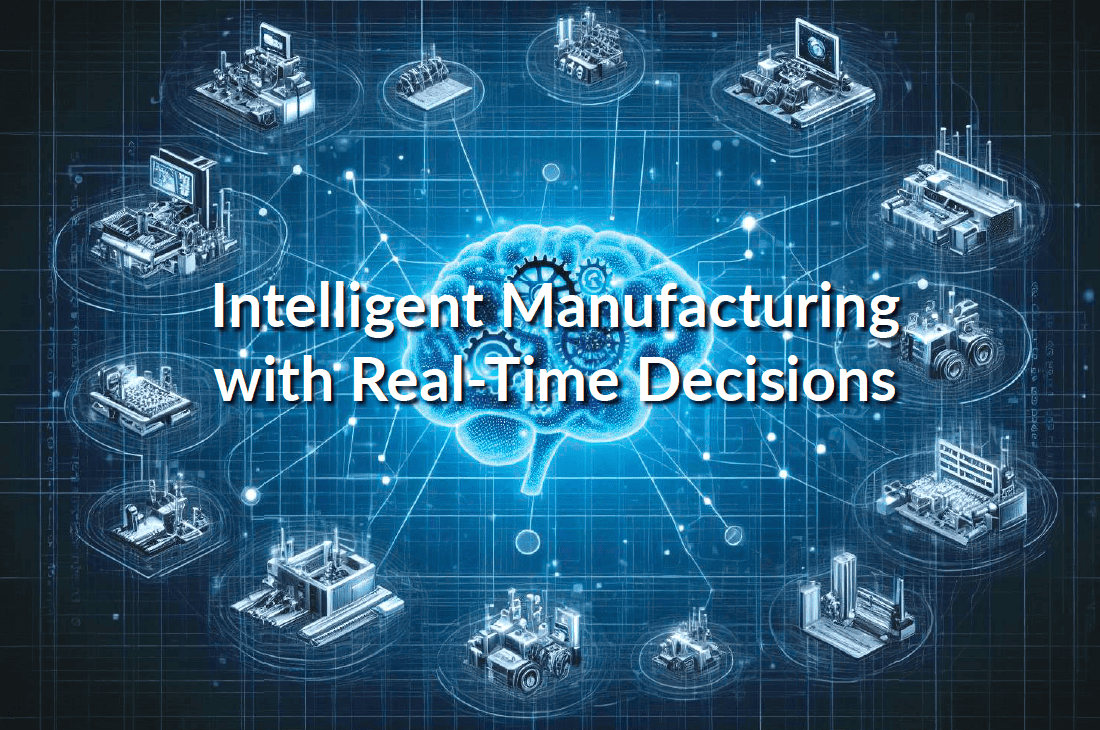
Real-time visual intelligence is a new paradigm that transforms video cameras into active, intelligent sensors. By leveraging ultra-low-latency data processing, advanced IoT messaging, and cutting-edge video analytics, real-time visual intelligence enables instant decision-making, enhances situational awareness, and applies predictive methodologies to real-time video streams.
The Evolution of Video Intelligence in Industrial Operations
Traditionally, video monitoring has played a crucial role in industrial environments, from ensuring safety compliance to preventing equipment malfunctions. However, conventional systems suffer from several limitations:
- Delayed Response: Human operators must manually review footage and identify issues, leading to slow response times.
- High Costs: Large-scale surveillance networks generate vast amounts of footage, requiring extensive storage and computational resources.
- Limited Automation: Without intelligent processing, video feeds cannot autonomously detect patterns, anomalies, or potential threats in real time.
Real-time visual intelligence changes the game by integrating three core technologies:
- Ultra-Low-Latency Data Processing – Platforms like Volt Active Data enable real-time ingestion and analysis of video data, ensuring immediate insights.
- Seamless IoT Messaging – Message Queuing Telemetry Transport (MQTT) facilitates instant, reliable communication between edge devices, cloud systems, and operational teams.
- Advanced Video Analytics – Network Optix enhances visual processing, accurately detecting patterns, anomalies, and safety concerns.
This combination allows organizations to move beyond passive surveillance and adopt proactive, data-driven decision-making strategies.
Overcoming Challenges in Adopting Real-Time Visual Intelligence
While real-time visual intelligence offers significant benefits, organizations must address key challenges for successful implementation:
- Data Security and Privacy: Protecting sensitive video feeds and complying with regulations like GDPR and CCPA.
- Integration with Existing Systems: Ensuring real-time visual intelligence systems seamlessly connect with legacy infrastructure.
- Scalability: Deploying real-time analytics at scale across multiple locations and devices.
- Initial Investment: While upfront costs exist, the long-term ROI in efficiency, safety, and predictive maintenance outweighs initial expenses.
Organizations must adopt a strategic approach, collaborating with technology providers to ensure a smooth and secure deployment.
Architectural Elements of a Real-Time Visual Intelligence System
Multiple elements must work together for real-time visual intelligence systems to deliver decision-making insights.
For example, a real-time visual intelligence application or system would need observation systems that capture real-world data from cameras and sensors.
Edge processing is required, given the volume of data and the fast rate at which it is generated. Processing data at the source (or near its point of generation) helps meet the need for real-time insights and a system with ultra-low latency. As noted above, one aspect of a complete system would be an element that offers sophisticated visual processing of the live video stream.
Other required elements include a solution enabling secure, efficient IoT messaging and connectivity between systems. Cloud processing applies machine learning models, and stores structured data for long-term analysis.
Once actionable information is derived (e.g., a part of a machine is degraded to the point that it will take the equipment offline and shut down operations), that information must be shared and made accessible to take action. For example, an industrial plant would want to integrate real-time insights into a control system. Then, based on insights, the control system would adjust industrial operations dynamically. Additionally, organizations would likely want to share those same insights with enterprise applications to make strategic business decisions.
Such an architecture ensures and enables real-time situational awareness, predictive maintenance, automated quality control, and dynamic operational adjustments, ultimately enhancing industrial efficiency and safety.
A Look at the Underlying Technology
As noted, a system designed to derive real-time visual intelligence must have three critical elements, including ultra-fast and low-latency processing, messaging capabilities to share IoT and other data, and advanced visual analysis technology.
Volt Active Data’s work with Network Optix provides an example of how to bring these elements together. Each partner contributes an essential technology that gives users real-time visual intelligence when integrated. Here are some of the features each partner contributes:
Real-Time Processing
Volt Active Data enables real-time visual intelligence by offering “ultra-low-latency processing” of the streaming video data. Specifically, the solution can process large volumes of data with minimal delay, enabling real-time decision-making within single-digit milliseconds. It is ideal for applications where rapid response is crucial. Such resultant time to insights is achieved through a streamlined architecture that prioritizes fast data ingestion, in-memory processing, and minimal data movement between system layers.
Key aspects of Volt Active Data’s low latency capabilities:
- In-memory Processing: Data is stored primarily in RAM, eliminating the need for slower disk I/O operations and significantly reducing latency.
- Optimized Data Structures: Volt utilizes specialized data structures designed for fast access and retrieval.
- Single-threaded Processing: Each data partition is handled by a dedicated thread, minimizing context-switching overhead and ensuring quick response times.
- Minimal Data Movement: Data is processed within the same layer, reducing the need to transfer data across different system components and further lowering latency.
Video Analytics
Network Optix’s advanced video analytics uses AI-powered capabilities to detect and analyze objects within video footage, offering features like real-time object tracking, behavior analysis, and custom rules-based alerts, allowing users to monitor and respond to specific events happening within a surveillance area, enhancing security and operational efficiency across various industries; this includes integration with third-party analytics solutions for even more specialized detection capabilities.
Key points about Network Optix’s video analytics:
- AI-driven object detection: Accurately identifies people, vehicles, and other objects in live video streams.
- Advanced behavior analysis: Detects suspicious behaviors like loitering, line crossing, or rapid movement.
- Customizable rules: Users can set specific parameters to trigger alerts based on detected objects and actions.
- Integration with various cameras: Works with a wide range of IP cameras, including those with built-in AI capabilities.
- Forensic search: Efficiently search through recorded footage using object attributes and metadata.
- Scalability: Adapts to large-scale deployments with multiple cameras and locations.
Key Benefits of Real-Time Visual Intelligence
When organizations move from relying solely on IoT sensor data to incorporating real-time video data from cameras, they significantly enhance their predictive capabilities across several industrial domains. Integrating video analytics with IoT data makes predictive models more accurate, contextual, and proactive.
Organizations across industrial sectors can derive immense value from real-time visual intelligence, including:
Predictive Maintenance and Equipment Monitoring
Industrial machinery downtime can lead to significant financial losses. Real-time visual intelligence enables:
- Early Failure Detection: Video analytics identify subtle performance issues, alerting operators before failures occur.
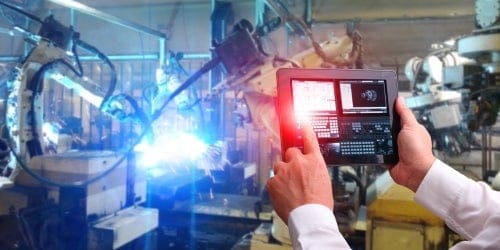
- Real-Time Equipment Monitoring: Cameras integrated with AI models detect overheating, leaks, and wear-and-tear anomalies.
- Automated Alerts and Responses: Edge processing ensures immediate corrective actions, reducing downtime and maintenance costs.
Enhanced Quality Control in Manufacturing
Product defects lead to recalls, waste, and reputational damage. Real-time visual intelligence enhances quality control by:
- Detecting Defects in Real Time: AI-powered video analytics identify manufacturing inconsistencies instantly.
- Automating Inspection Processes: Eliminates human error and speeds up defect identification.
- Optimizing Production Lines: Insights from video analytics help adjust workflows dynamically, improving efficiency.
Improved Supply Chain and Logistics Efficiency
Logistics and warehousing operations benefit from real-time visual intelligence through:
- Real-Time Shipment Tracking: Video sensors monitor goods in transit, ensuring transparency and reducing losses.
- Route Optimization: AI-driven insights adjust delivery routes based on traffic, weather, and road conditions.
- Last-Mile Delivery Enhancements: Ensures precise coordination and timely deliveries, reducing inefficiencies.
Optimized Smart City and Public Safety Initiatives
Real-time visual intelligence significantly improves urban infrastructure by:
- Managing Traffic Flow Dynamically: Smart signals adjust based on congestion patterns, reducing gridlock.
- Detecting Incidents Instantly: AI-powered cameras identify accidents, security threats, and environmental hazards in milliseconds.
- Enhancing Law Enforcement Capabilities: Automated anomaly detection improves response times and accuracy.
Intelligent Energy and Utilities Management
Energy providers can leverage real-time visual intelligence for:
- Grid Monitoring and Optimization: Preventing outages and ensuring balanced power distribution.
- Predictive Infrastructure Maintenance: Identifying potential power plants, substations, and distribution network failures.
- Renewable Energy Integration: Managing variable energy inputs from solar and wind sources dynamically.
Real-World Applications and Case Studies
Volt Active Data has been an early proponent of real-time visual intelligence. Its work with clients demonstrates the value such intelligence can provide to organizations across different industries and use cases. Here are some examples:
Manufacturing Excellence: Preventing Costly Defects
A leading automotive manufacturer deployed real-time visual intelligence to enhance quality control on its assembly lines. By integrating Volt Active Data’s ultra-low-latency processing with Network Optix’s video analytics, the company reduced defect rates by 30% and improved overall production efficiency by 20%.
Smart Traffic Management: Reducing Congestion and Improving Safety
A major metropolitan city implemented real-time visual intelligence to optimize its traffic control system. The system dynamically adjusted traffic signals using AI-powered video analytics, reducing congestion by 25% and improving pedestrian safety by 40%.
Grid Resilience in Energy Distribution
An energy provider integrated real-time visual intelligence with its smart grid infrastructure to monitor power substations. The system detected anomalies before failures occurred, reducing unplanned outages by 35% and saving millions in repair costs.
Unlocking the Power of Real-Time Visual Intelligence
Organizations looking to future-proof their operations and stay ahead of the competition must embrace Real-time visual intelligence. By leveraging ultra-low-latency data processing, seamless IoT messaging, and advanced video analytics, organizations can:
- Enhance situational awareness and decision-making
- Optimize industrial processes and reduce costs
- Improve safety, security, and regulatory compliance
The future of industrial monitoring is not about watching—it’s about acting. Real-time visual intelligence turns cameras into proactive, intelligent assets that drive immediate value.