Best Practices for Deploying and Scaling Industrial AI
Artificial Intelligence (AI) is transforming industrial operations, helping organizations optimize workflows, reduce downtime, and enhance productivity. Different industry verticals leverage AI in unique ways.
Accelerating Manufacturing Digital Transformation with Industrial Connectivity and IoT
Digital transformation is empowering industrial organizations to deliver sustainable innovation, disruption-proof products and services, and continuous operational improvement.
Leading a transportation revolution in autonomous, electric, shared mobility and connectivity with the next generation of design and development tools.
As businesses become data-driven and rely more heavily on analytics to operate, getting high-quality, trusted data to the right data user at the right time is essential.
The goal of automated integration is to enable applications and systems that were built separately to easily share data and work together, resulting in new capabilities and efficiencies that cut costs, uncover insights, and much more.
Digital transformation requires continuous intelligence (CI). Today’s digital businesses are leveraging this new category of software which includes real-time analytics and insights from a single, cloud-native platform across multiple use cases to speed decision-making, and drive world-class customer experiences.
Best Practices for Deploying and Scaling Industrial AI
Artificial Intelligence (AI) is transforming industrial operations, helping organizations optimize workflows, reduce downtime, and enhance productivity. Different industry verticals leverage AI in unique ways.
Accelerating Manufacturing Digital Transformation with Industrial Connectivity and IoT
Digital transformation is empowering industrial organizations to deliver sustainable innovation, disruption-proof products and services, and continuous operational improvement.
Leading a transportation revolution in autonomous, electric, shared mobility and connectivity with the next generation of design and development tools.
As businesses become data-driven and rely more heavily on analytics to operate, getting high-quality, trusted data to the right data user at the right time is essential.
The goal of automated integration is to enable applications and systems that were built separately to easily share data and work together, resulting in new capabilities and efficiencies that cut costs, uncover insights, and much more.
Digital transformation requires continuous intelligence (CI). Today’s digital businesses are leveraging this new category of software which includes real-time analytics and insights from a single, cloud-native platform across multiple use cases to speed decision-making, and drive world-class customer experiences.
IBM-Led Blockchain Consortium Aims to Improve Food Safety
In an effort to use to blockchain technology to help reduce the spread of food-borne illness, IBM will collaborate with Dole, Kroger, Nestle, Tyson Foods, Unilever, Walmart and several other organizations across the global food supply chain.
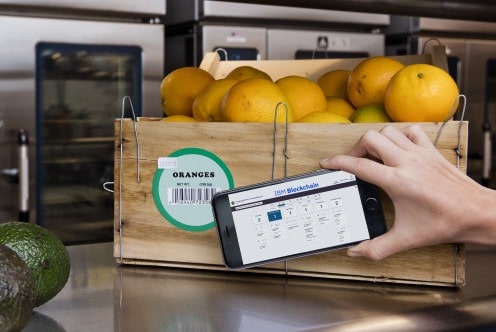
A crate of oranges being scanned as part of a food safety blockchain. (Photo credit: Connie Zhou for IBM)
Every year, 400,000 people die from contaminated food, according to the World Health Organization. The lack of access to information and traceability magnifies many of the critical issues impacting food safety – issues such as cross-contamination, the spread of food-borne illness, unnecessary waste and the economic burdens of recalls. According to the Centers for Disease Control and Prevention, it can take weeks to identify the precise point of the contamination.
To help combat these issues, a group of global food supply chain companies yesterday announced a blockchain collaboration with IBM, which is intended to further strengthen consumer confidence in the global food system.
The goal of the consortium, according to a statement released by IBM, is to help identify and prioritize new areas where blockchain can benefit food ecosystems. IBM says the initiative will draw on multiple IBM pilots and production networks in related areas that demonstrate ways in which blockchain can impact global food traceability. Members of the consortium include Dole, Driscoll’s, Golden State Foods, Kroger, McCormick and Company, McLane Company, Nestle, Tyson Foods, Unilever and Walmart.
By deploying blockchain technology in the global food supply chain, growers, suppliers, processors, distributors, retailers, regulators and consumers can gain permissioned access to trusted information regarding the origin and state of food for their transactions. IBM says this can enable food providers and other members of the ecosystem to use a blockchain network to trace contaminated product to its source in a short amount of time to ensure safe removal from store shelves. (See video below for a look at the food safety offering Walmart’s built on the IBM Blockchain Platform.:)
IBM’s unveils blockchain platform
In addition to the just-announced food supply chain consortium, blockchains are now being used for flowers, real estate, trade finance, education, insurance and medical services transactions, according to IBM. To accelerate this adoption, IBM announced what it describes as the “first fully integrated, enterprise-grade production blockchain platform.” Big Blue is also adding consulting services to help organizations develop, govern and operate their own business networks. The IBM Blockchain Platform is available via the IBM Cloud.
IBM says the platform has been “extensively tested and piloted,” and addresses a wide range of enterprise pain points, including both requirements around security, performance, collaboration and privacy. The platform includes technology developed through open source collaboration in the Hyperledger community, including the newest Hyperledger Fabric v1.0 framework and Hyperledger Composer blockchain tool, both hosted by the Linux Foundation.
Pricing options for the IBM Blockchain Platform start at $0.50 per hour. IBM says to support blockchain ecosystems among different organizations, the cost of the network can be shared across members of the network.
Dan Muse is the former editor in chief of CIO.com. He has covered technology for three decades and held senior editorial positions with Ziff Davis, Jupitermedia, Disney Publishing, McGraw-Hill and Advance Digital.
AI and ML are revolutionizing access management. AI-powered systems can rapidly analyze vast amounts of data, identifying patterns and anomalies that might signify a security threat. This allows for real-time threat detection and prevention, thus enhancing the overall security framework.
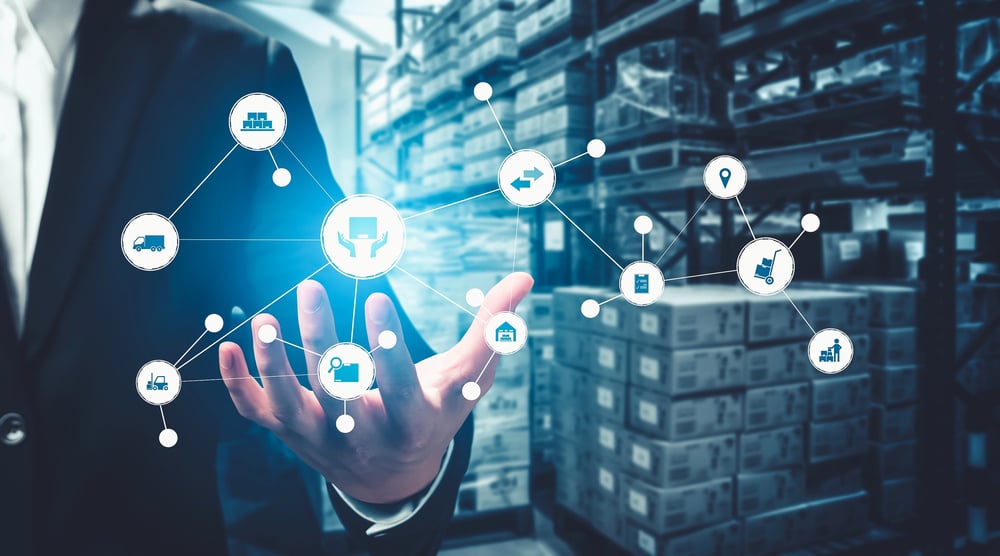
Blockchain and DLTs are increasingly being employed for applications such as shipping-container tracking, vehicle identity and history, energy trading, and farm-to-store tracking. An Industry IoT Consortium paper proposes a number of innovations to consider that would make their use more efficient.
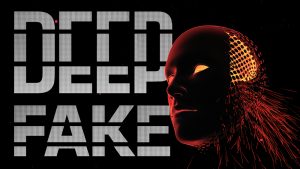
Thanks to greater access to technology like AI and blockchain, organizations may be able to fight deep fake threats and reduce this risk in the coming years.
As the gaming industry moves to cloud and incorporates more technologies in 2022, complexity will grow making it harder for those responsible for maintaining availability and resolving problems.
AI is quickly growing, and so must the enterprise environments that support it. Organizations that succeed will be those that pair innovation with governance, autonomy with accountability, and speed with structure.
Analysis and market insights on real-time analytics including Big Data, the IoT, and cognitive computing. Business use cases and technologies are discussed.
Advertiser Disclosure: Some of the products that appear on
this site are from companies from which TechnologyAdvice
receives compensation. This compensation may impact how and
where products appear on this site including, for example,
the order in which they appear. TechnologyAdvice does not
include all companies or all types of products available in
the marketplace.

 Best Practices for Deploying and Scaling Industrial AIArtificial Intelligence (AI) is transforming industrial operations, helping organizations optimize workflows, reduce downtime, and enhance productivity. Different industry verticals leverage AI in unique ways.Link to The Center for Adaptive Edge Intelligence
 The Center for Adaptive Edge IntelligenceAdaptive edge intelligence brings real-time decision-making to the point of data creation, whether from sensors, machines, or cameras.Link to The Value of Vehicle Electrification
 The Value of Vehicle ElectrificationElectric vehicles (EVs) present automakers with many design, engineering, and manufactu ring challenges.Link to Accelerating Manufacturing Digital Transformation with Industrial Connectivity and IoT
 Accelerating Manufacturing Digital Transformation with Industrial Connectivity and IoTDigital transformation is empowering industrial organizations to deliver sustainable innovation, disruption-proof products and services, and continuous operational improvement.Link to Smart Manufacturing for Automotive
 Smart Manufacturing for AutomotiveLeading a transportation revolution in autonomous, electric, shared mobility and connectivity with the next generation of design and development tools.Link to Center for Data Pipeline Automation
 Center for Data Pipeline AutomationAs businesses become data-driven and rely more heavily on analytics to operate, getting high-quality, trusted data to the right data user at the right time is essential.Link to Center for Automated Integration
 Center for Automated IntegrationThe goal of automated integration is to enable applications and systems that were built separately to easily share data and work together, resulting in new capabilities and efficiencies that cut costs, uncover insights, and much more.Link to Continuous Intelligence: Insights
 Continuous Intelligence: InsightsDigital transformation requires continuous intelligence (CI). Today’s digital businesses are leveraging this new category of software which includes real-time analytics and insights from a single, cloud-native platform across multiple use cases to speed decision-making, and drive world-class customer experiences.