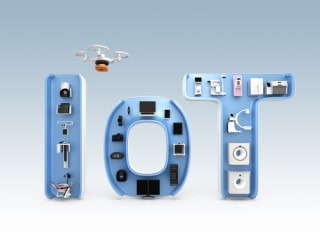
Most of us have seen the news stories and forecasts about the Internet of Things (IoT) and what a vast market and field of opportunity it will be. Hundreds of the world’s largest enterprises now use IoT in ways so innovative that they’re disrupting their own industries. What they’ve found is that by intelligently deploying IoT solutions, they’re able to drive operational efficiencies, introduce new products and services, improve the customer experience and create wholly new business models.
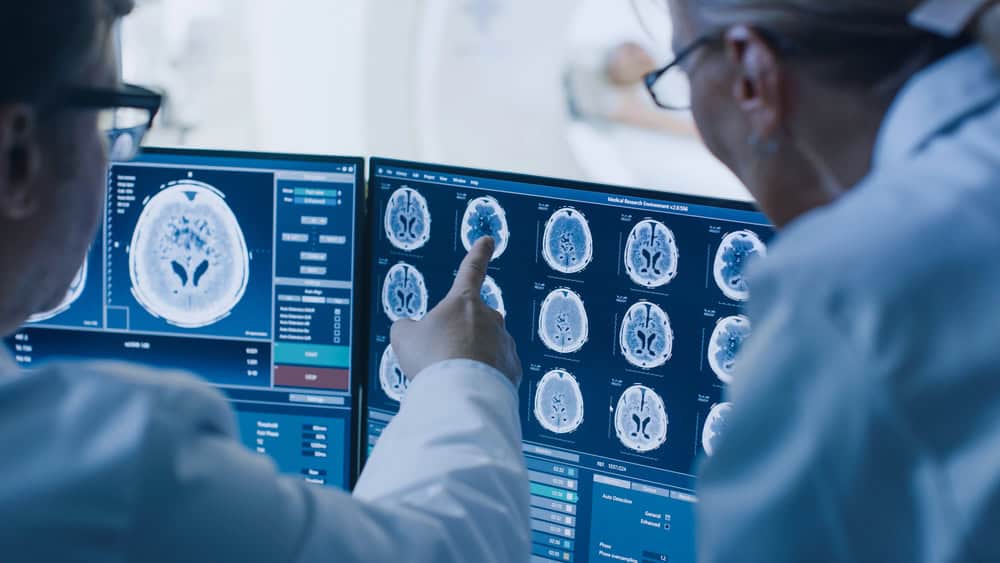
Over the next 10 years, the biggest opportunity in IoT will be in how we advance human health. This includes using connected devices to monitor, predict or treat illness, techniques in precision medicine to target and influence individual medical needs, and data insights to improve patient care.
Healthcare already digitally connected
A visit to the doctor or a trip to the hospital is evidence enough to show that healthcare has already become more digital and connected, with medical devices connected to the network and to one another to improve care. According to McKinsey, IoT can enable an almost 50 percent reduction in costs relating to monitoring and treatment of chronic illnesses.
[ Related: How AI and Cognitive Science Can Beat Addiction Treatment Fraud ]
There’s no doubt IoT is already gaining momentum in the healthcare industry. By using advanced analytics, machine learning (ML) ,artificial intelligence (AI) and shared data services — like security, governance, workload management and cataloging — to harness the large-scale and stream of data that IoT sensors produce, early adopters are co-mingling the digital (data and analytics) and the analog (human care) into a far more powerful combination that can better prevent and treat disease and also improve care delivery, efficiency and logistics.
Healthcare IoT in action
Let’s look at a few examples to see how IoT is already transforming healthcare.
Cerner, a healthcare technology company, has developed the St. John’s Sepsis Agent that helps its clients reduce the deadly effects of sepsis. Sepsis affects as many as 18 million people worldwide each year, according to Wikipedia. The “Pharmacoeconomic Implications of New Therapies in Sepsis,” report estimates that between 28 and 50 percent of these people die — far more than the number of U.S. deaths from prostate cancer, breast cancer and AIDS combined, according to National Institute of Health (NIH). Severe sepsis or septic shock arises when the body’s response to infection causes injury to its own tissues and organs.
[ Related: Blockchain, IoT, AI Will Converge in Healthcare ]
The St. John’s Sepsis Agent, an electronic warning system, monitors patient’s symptoms in key areas. Data is sent to a central hub in the cloud where evidence-based algorithms can effectively predict which patients are at risk. Health care professionals can then intervene, resulting in a 20 to 30 percent better chance of survival, according to Cerner’s St. John Sepsis Agent report.
DocBox, a healthcare IT company, has solved the integration of IoT with medical devices by automatically collecting the full context of a patient’s vitals and waveforms. They are out to tackle the challenge of analyzing high-volume real-time data from medical devices, such as ventilators, pumps and monitors at the patient bedside. This is a complex undertaking; a single ICU bed can have over 300 parameters coming from the many medical devices connected to a patient.
DocBox is able to reduce the time nurses spend transcribing data so they can focus on care delivery. In tandem, physician executives can opt to use the data insights to guide operational improvements, purchasing decisions, and safety protocols. Now, data processed with an analytical engine and presented in a thoughtful, patient-centric manner, can alert clinicians to subtle changes in patient health, guide personalized treatment plans and improve patient outcomes.
[ Related: Smart Medicine: Designing IoT Products in Healthcare ]
Children’s Healthcare of Atlanta, a nationally recognized pediatric healthcare facility, wanted to better understand how environmental factors, such as ambient light and noise, impact the quality of care and patient outcomes of infants in the neonatal ICU. The organization gathered all of the data continuously generated by ICU bedside monitors (respiration, heart rate, blood pressure and others) to study how the environment of care and various alarms, constant noise, and light, affected the babies. By collecting continuous vital records, they are able to perform deeper, more comprehensive analysis not possible before and provide a less stressful and healing environment for their smallest patients.
IoT in healthcare saves lives
These three examples demonstrate that IoT’s impact on healthcare and patient well-being isn’t a futuristic dream. It’s already helping clinicians provide more personalized care, improve hospital stay experiences and save lives. IoT in healthcare is transforming the industry and it’s just getting started.

 Best Practices for Deploying and Scaling Industrial AIArtificial Intelligence (AI) is transforming industrial operations, helping organizations optimize workflows, reduce downtime, and enhance productivity. Different industry verticals leverage AI in unique ways.Link to The Center for Adaptive Edge Intelligence
 The Center for Adaptive Edge IntelligenceAdaptive edge intelligence brings real-time decision-making to the point of data creation, whether from sensors, machines, or cameras.Link to The Value of Vehicle Electrification
 The Value of Vehicle ElectrificationElectric vehicles (EVs) present automakers with many design, engineering, and manufactu ring challenges.Link to Accelerating Manufacturing Digital Transformation with Industrial Connectivity and IoT
 Accelerating Manufacturing Digital Transformation with Industrial Connectivity and IoTDigital transformation is empowering industrial organizations to deliver sustainable innovation, disruption-proof products and services, and continuous operational improvement.Link to Smart Manufacturing for Automotive
 Smart Manufacturing for AutomotiveLeading a transportation revolution in autonomous, electric, shared mobility and connectivity with the next generation of design and development tools.Link to Center for Data Pipeline Automation
 Center for Data Pipeline AutomationAs businesses become data-driven and rely more heavily on analytics to operate, getting high-quality, trusted data to the right data user at the right time is essential.Link to Center for Automated Integration
 Center for Automated IntegrationThe goal of automated integration is to enable applications and systems that were built separately to easily share data and work together, resulting in new capabilities and efficiencies that cut costs, uncover insights, and much more.Link to Continuous Intelligence: Insights
 Continuous Intelligence: InsightsDigital transformation requires continuous intelligence (CI). Today’s digital businesses are leveraging this new category of software which includes real-time analytics and insights from a single, cloud-native platform across multiple use cases to speed decision-making, and drive world-class customer experiences.